Most people think dry hair automatically needs moisture, while damaged hair automatically needs protein.
But healthy hair actually depends on having the right balance between both.
Too much protein can leave hair stiff, rough, and brittle.
Too much moisture can make hair weak, stretchy, and lifeless.
Understanding your hair’s protein-moisture balance can completely change the way your hair looks, feels, and responds to products.
To understand that balance, it helps to first understand what hair is made of.
Hair is mainly made of keratin, which is a type of protein responsible for giving the hair its structure and strength.
Healthy hair also contains:
• Water
• Natural oils and lipids
• Bonds that help maintain the hair’s flexibility and resilience

Daily stress on the hair can slowly weaken this structure and affect its balance.
Some of the most common causes include:

When this balance is disrupted, hair may start feeling weak, dry, stretchy, rough, or prone to breakage.
This is where protein plays an important role.
Protein helps support and reinforce weakened hair strands.
Protein-based ingredients temporarily fill damaged areas in the hair shaft, helping improve:
• Strength
• Elasticity
• Structure
• Resistance to breakage
Some of the most common hair proteins include:
• Hydrolyzed Wheat Protein
• Keratin
• Rice Protein
• Silk Protein
• Amino Acids
Each type works differently depending on the hair’s condition and needs.

But strength alone is not enough! hair also needs moisture.
Moisture helps the hair stay:
• Soft
• Flexible
• Smooth
• Manageable
• Elastic
Hydrating ingredients help attract and retain water inside the hair strand while reducing roughness and dryness.
Common moisturizing ingredients include:
• Hyaluronic Acid
• Aloe Vera
• Panthenol
• Shea Butter
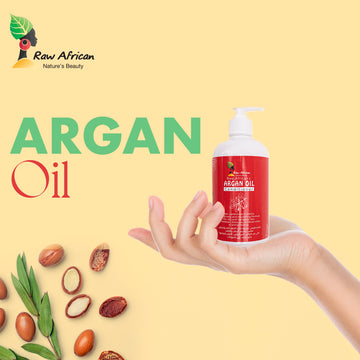
• Argan Oil
• Natural oils and emollients
Healthy hair needs both strength and flexibility — not just one or the other.
The healthiest hair is usually the hair that has both.
Hair becomes healthiest when protein and moisture are balanced correctly.
Too much protein may cause the hair to feel:
• Hard
• Rough
• Stiff
• Brittle
Too much moisture may cause the hair to feel:
• Weak
• Overly soft
• Stretchy
• Limp
• Unable to hold styling
Balanced hair usually feels:
• Soft but strong
• Smooth without heaviness
• Flexible without excessive stretching
• Easier to style and manage

Take this test to know your hair type
One simple way to understand your hair’s balance is through the stretch test.
Take a clean wet strand of hair and gently stretch it.
If the hair:
• Stretches excessively before breaking
→ it may need more protein
If the hair:
• Snaps quickly without stretching
→ it may need more moisture
If the hair:
• Stretches slightly and returns normally
→ it is likely balanced

And this is where many people accidentally throw the balance off.
Common mistakes that affect protein-moisture balance include:
• Using protein-heavy products too frequently
• Overusing deep hydration masks
• Ignoring heat protection
• Following trends instead of understanding hair needs
• Using the same routine year-round regardless of weather or hair condition
To sum things up, healthy hair is not about using the most products. It is about understanding what your hair actually needs.
When protein and moisture are balanced correctly, hair tends to become:
• Stronger
• Softer
• Shinier
• Easier to manage
• More resilient over time
The best hair routine is the one built around your hair’s condition not trends.